Episode Transcript
[00:00:01] Welcome to this episode of Hunker Down Guide.
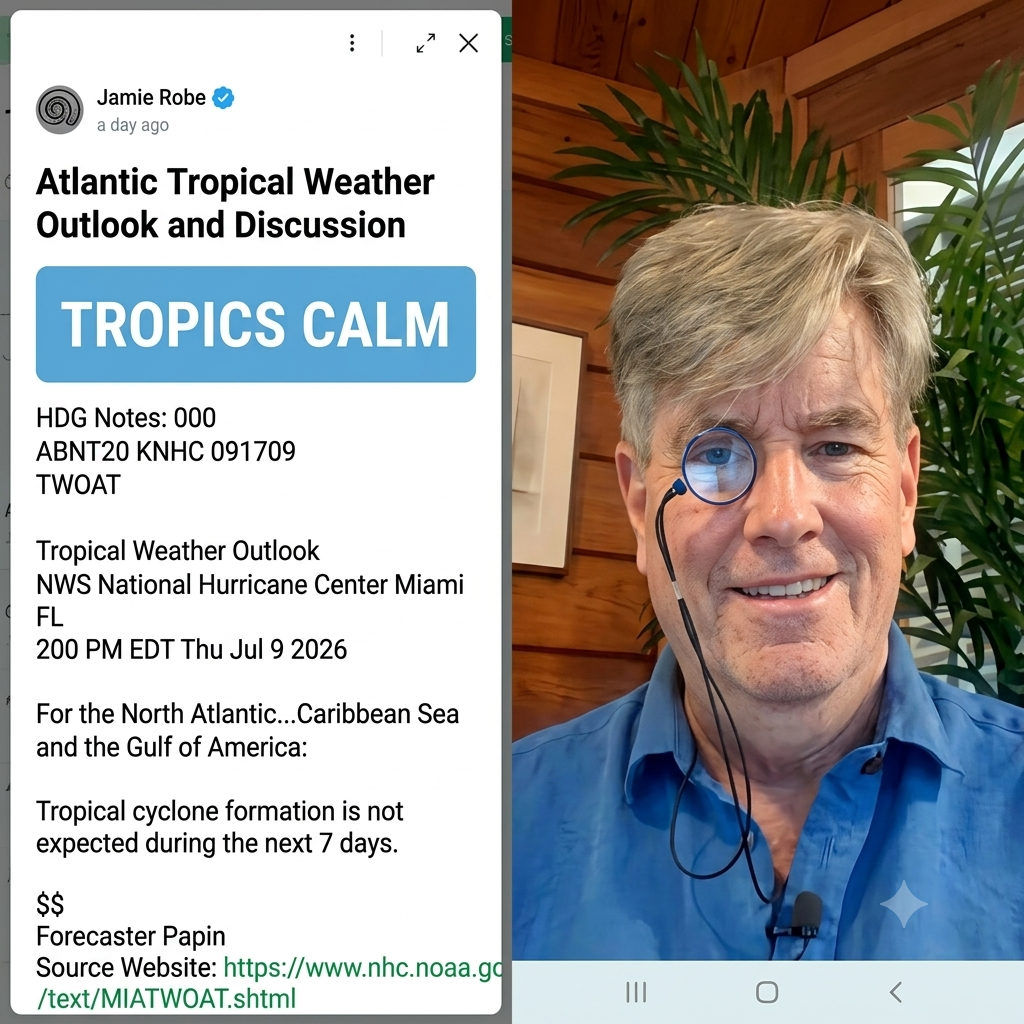
[00:00:05] I'm Jamie Robe, I'm your host and I'm going to take you on a journey this hurricane season for 2026, a journey of preparation for tropical storms and hurricanes.
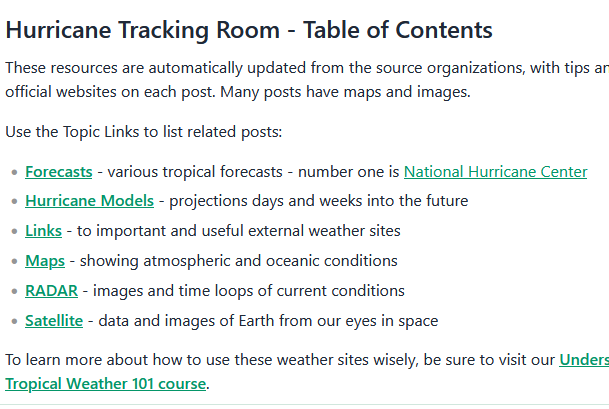
[00:00:20] I live in Florida and I've lived here all my life and raised a family. I own a home, have pets, have a lot of experience with these types of things here. So I'm going to share what I've learned and we'll explore together this during the season. So why don't we jump right into what is a hurricane season and I'm going to go over to the hunkerdown guide.com website, which you can go to yourself and we're going to go over to the this episode.
[00:01:00] If you are listening on audio podcast, just join us at the website and look for the podcast and YouTube channels on the left left menu. But right now we're going to click on this graphic.
[00:01:15] Basically, there are affecting the the United States particularly we have the Atlantic basin of storms.
[00:01:28] Those are the ones that come in from the Caribbean, the Atlantic, the Gulf of Mexico affect places like Texas and Florida and New Jersey and all over the the eastern south south and southeastern and eastern US and then of course, in our Pacific side, we, we have Hawaii that gets affected periodically from hurricanes. There are actually two, two seasons.
[00:01:54] The Atlantic hurricane season runs from June 1 to November 30, okay, six months.
[00:02:03] The Eastern Pacific basin is actually starts on May 15. So as of today, which is June 1, 2026, they've already been a couple weeks into this this season. But you can see these grass that are supplied by the hurricane center.
[00:02:23] They are the, they call them campfire graphs, but they're basically the peaks of the they show the peaks of the both the tropical storms and the hurricanes.
[00:02:40] So you can see in the Atlantic side and similarly, but less intense, let's say the peak is around the middle of September.
[00:02:52] But that doesn't mean that there can't be hurricanes at other times. In fact, even before the season officially starts and after the season ends, it's still possible to have hurricanes and tropical storms. But historically, 97% of all the tropical storms and hurricanes have taken place roughly between June 1 and November 30 of each year.
[00:03:17] So you can see that if you're watching this or listening to this now in June or even in the early first two or three months of the season, you know, the activity level is relatively low. That doesn't mean there can't be something that spins up and Comes barreling in.
[00:03:38] It happens. But we really start to get more and more nervous here, especially in Florida. As you know, August, September, October happen.
[00:03:50] But we're going to spend the next six months roughly on this show and on the website. We're gonna, we're gonna spend that time talking about hurricane preparation because that's what basically, you know, my passion lies.
[00:04:11] The reason I am doing this is to try to spread some of the knowledge that I've gathered through the school of hard knocks, let's put it that way.
[00:04:22] I have four children that are grown up, grown adults now. They have lived in a home where we take preparation pretty seriously.
[00:04:31] We have a small generator.
[00:04:34] Nothing fancy there, but it's, it has really saved us quite a few times over the years.
[00:04:40] We were able to run our refrigerators.
[00:04:44] We haven't have electric cars. We have to deal with that when there's power outages.
[00:04:50] We have some solar panels, we have emergency food. We're going to talk about all these kinds of things step by step over the months as it comes along. So anyway, I just wanted to have a little introduction about the season here. Again, you know, we're at the beginning of the season, but as this moves along, we will have time to explore the stuff. If you happen to be listening to this later in the season and there's something coming towards you, just go to the website hunker down guide.com and you can actually, there's a free membership thing or you can join it and you can get in there and we have a lot of cool things on there. I'm going to go over over the next few weeks, talk about the tools and the resources on the website itself.
[00:05:45] And anyway, just wanted to introduce myself and ask you to come and visit us on the web. Also, if you're listening to this on an audio, you know, listening app, just subscribe, please. Also if you're on YouTube, also, just subscribe to that. Okay? And with that, I look forward to talking to you soon.